

Gravity Doesn't Lie
What the Backcountry Teaches About Timing

There’s something about these backcountry courses with the Flow Genome Project that’s hard to name cleanly.
You think you’re going for skiing.
…and you are going for skiing…
but there’s something else running underneath all the adventure.
Let’s #ExploreBalanceFlow --
EXPLORE
We flew out to Colorado for “Flow and Snow,” which, if you read it literally, already gives away more than it should.
Not the snow. That part’s obvious (though we could have used more).
The flow part is the thing that isn’t explained - and maybe it can’t be.
The first day didn’t exactly feel like we were pushing it.
We were at Crested Butte Mountain Resort, getting laps, getting our legs under us, feeling out the group.
It was good… really good.
But there was also this shared sense that we hadn’t quite touched what we came for yet.
We all signed up for something a little closer to the edge: cat skiing, avalanche training, backcountry touring.
We were there to test ourselves - a personal capacity check, of sorts.
Later that evening we got word that the warmer temps had shifted our plans.
Cat skiing got pulled. Snowpack wasn’t cooperating.
And just like that, the whole trip could have tilted toward comfortable.
A deciding moment where the group either leans in or drifts off.
Instead, our course leader Jamie Wheal and local guide (and legend) Billy Rankin did what great guides do.
They didn’t try to recreate the plan.
They worked with what was available.
Day two turned into a Steeps clinic at the resort - what turned out to be a training for the backend of the trip.
Headwall laps.
Tight glades.
Terrain that doesn’t care how you feel about it.
It wasn’t pretty at every turn, at least not for me. But it was real - and that’s where the opportunity was.
Nothing was explained. The feedback just revealed itself.
You make a move, and you immediately know if it worked.
Then you do it again.
Still, there was this lingering sense that we hadn’t quite reached the edge of what we signed up for.
Like we were circling it.
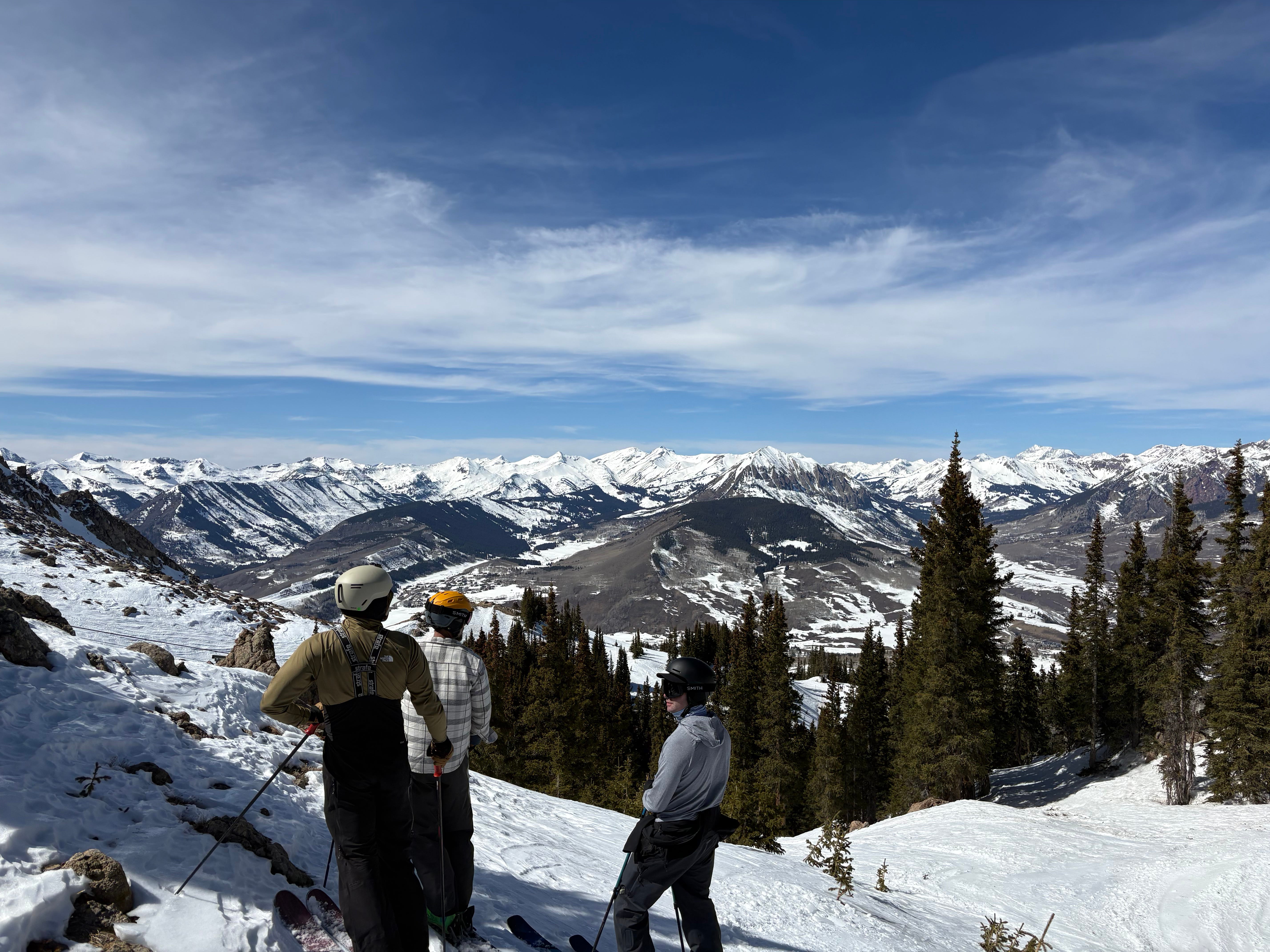
Later that afternoon we left the resort and headed into the backcountry to the new FGP ski hut.
The next day we’d be exploring the Elk mountains backcountry zone near Lake Irwin - no set plan in place, everything was dependent on the conditions and the degree of risk we were willing to accept.
Alarms rang early. Alpine start - moving before sunrise.
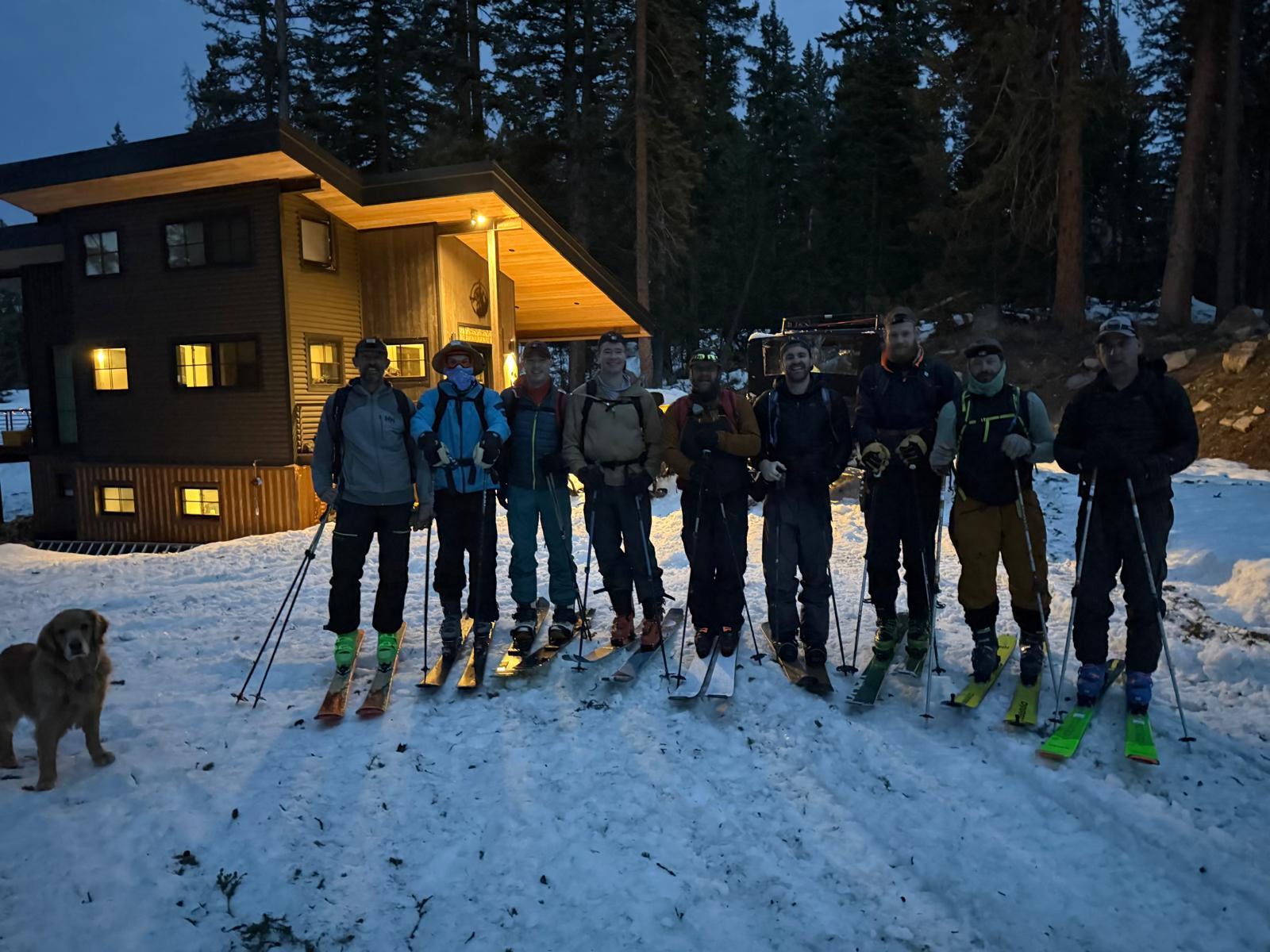
Skins on, working our way up from around 10,500 feet toward Ruby Peak at over 12,000 ft elevation.
The snow told a very different story than the resort.
It had that late-season, uncontrollable feel to it. We could hear the streams running fast as the snow started moving towards the rivers.
The kind of snowpack that’s not necessarily unstable all the time, but very capable of becoming unstable at the wrong time.
I realized why I love experiencing the backcountry.
Because it doesn’t scream danger, it just presents information.
And then waits to see what you do with it.
We were moving steadily, not rushing, but aware that the clock was running.
It had dipped just below freezing overnight, but not by much, and not for long.
We knew we had a window.
We just didn’t know exactly how wide it was.
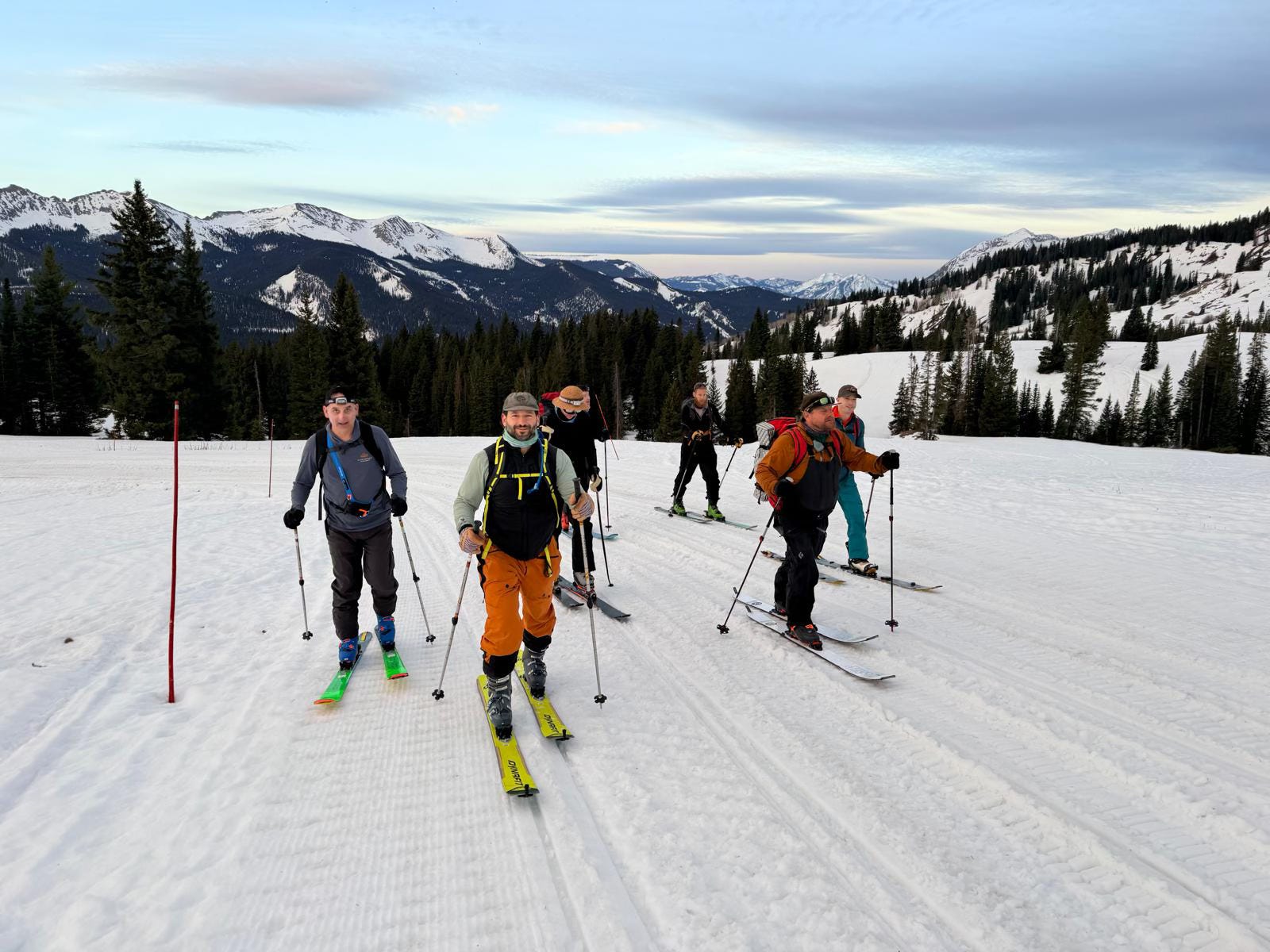
By the time we got to the approach for a potential line we had in mind, everything tightened.
The slope was in that 35 to 38 degree range, east-facing, with softening snow sitting on top of a pack that had gone through some temperature swings.
Air temps were already climbing.
Sun was up but some clouds helped reduce the rate of snow warming.
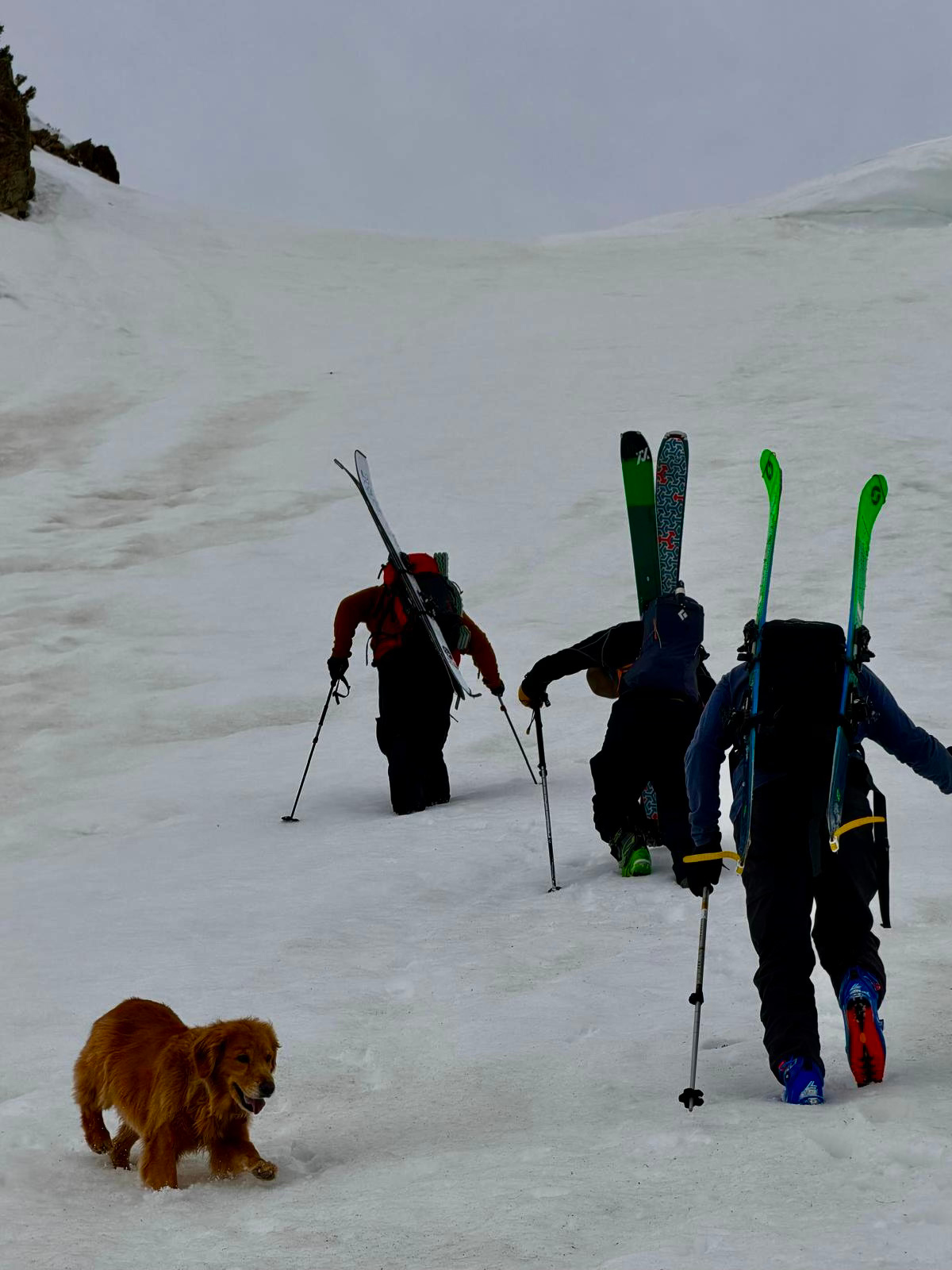
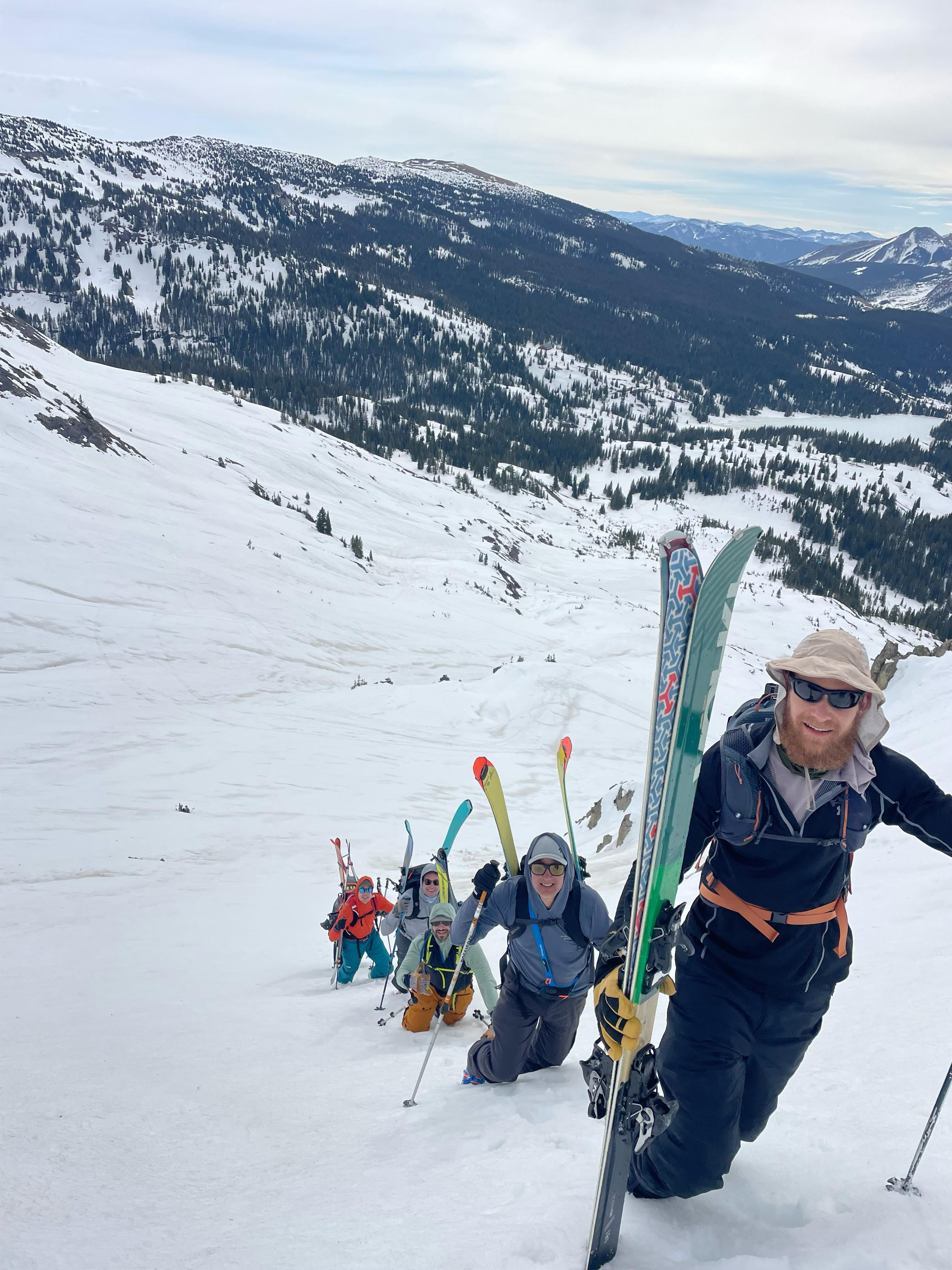
We all stopped and looked straight up at what felt like a wall.
Too steep to skin up, if we were gonna do this, we’d need to throw the skis on our back and hike up, one boot in front of the other.
This is where it gets interesting.
Because nobody hands over the answer.
We were balancing many things all at once - what we know, what we’ve been taught, what we’re feeling, and what we’re responsible for:
Ourselves.
The group.
The people we go home to.
We decided to go.
Not because it was “safe.”
Because it was acceptable, given the timing and what we were seeing.
Just after we summited, taking in the sweeping view and transitioning our skis to downhill mode, I realized part of my binding had broken and I couldn’t click my boot in.
One of those moments that stretches two minutes into something longer.
Everyone else is transitioning, getting ready.
And I’m standing there, half wondering if I’m about to be the guy who hikes down instead of skis.
Eventually got it clicked in at the expense of the ski brake.
Not perfect, but solid enough.
That little moment, honestly, probably slowed things down just enough to keep everything aligned.
Then we dropped in.
One by one… no rush, no chaos.
Just deliberate turns.
We got to the bottom, and it was what you’d expect.
Big eyes. Big smiles. Hootin’ n hollerin’.
A mix of relief and excitement that only comes out when it could’ve gone the other way.
The next day, we got our answer from the mountain.
Same line.
Same face.
It slid.
Wet slab avalanche.
Exactly where we had been.
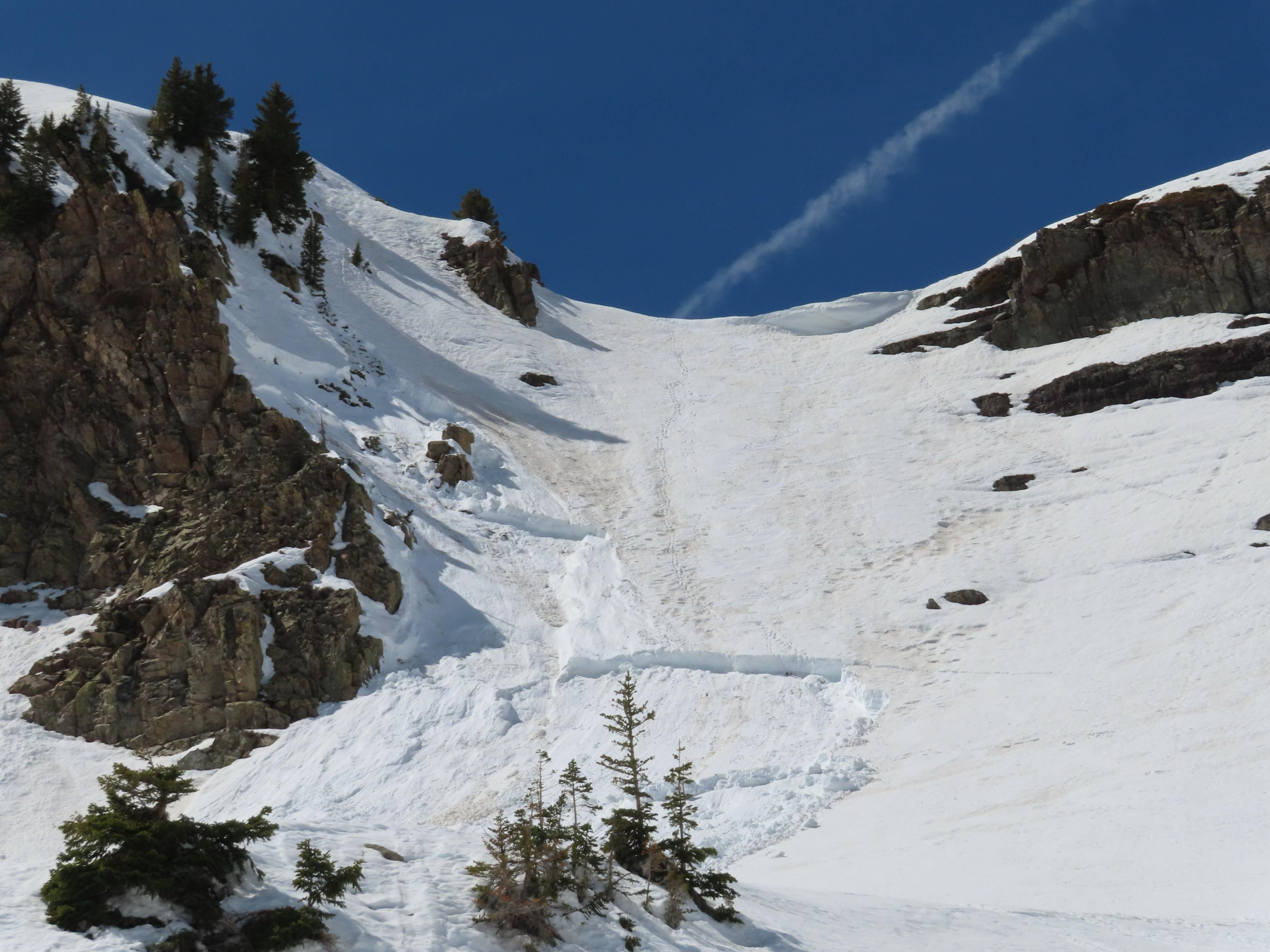
That’s the part that reframed everything.
Because it wasn’t that the line was safe.
It was that the timing was.
We didn’t spend the rest of the trip celebrating that we avoided an avalanche.
We spent it pulling apart the decisions.
Where we could have reduced risk further.
Where communication could have been tighter.
How we selected the line.
How we made sure everyone was actually comfortable, not just going along.
That’s where the learning was.
Not in the run.
In the debrief.
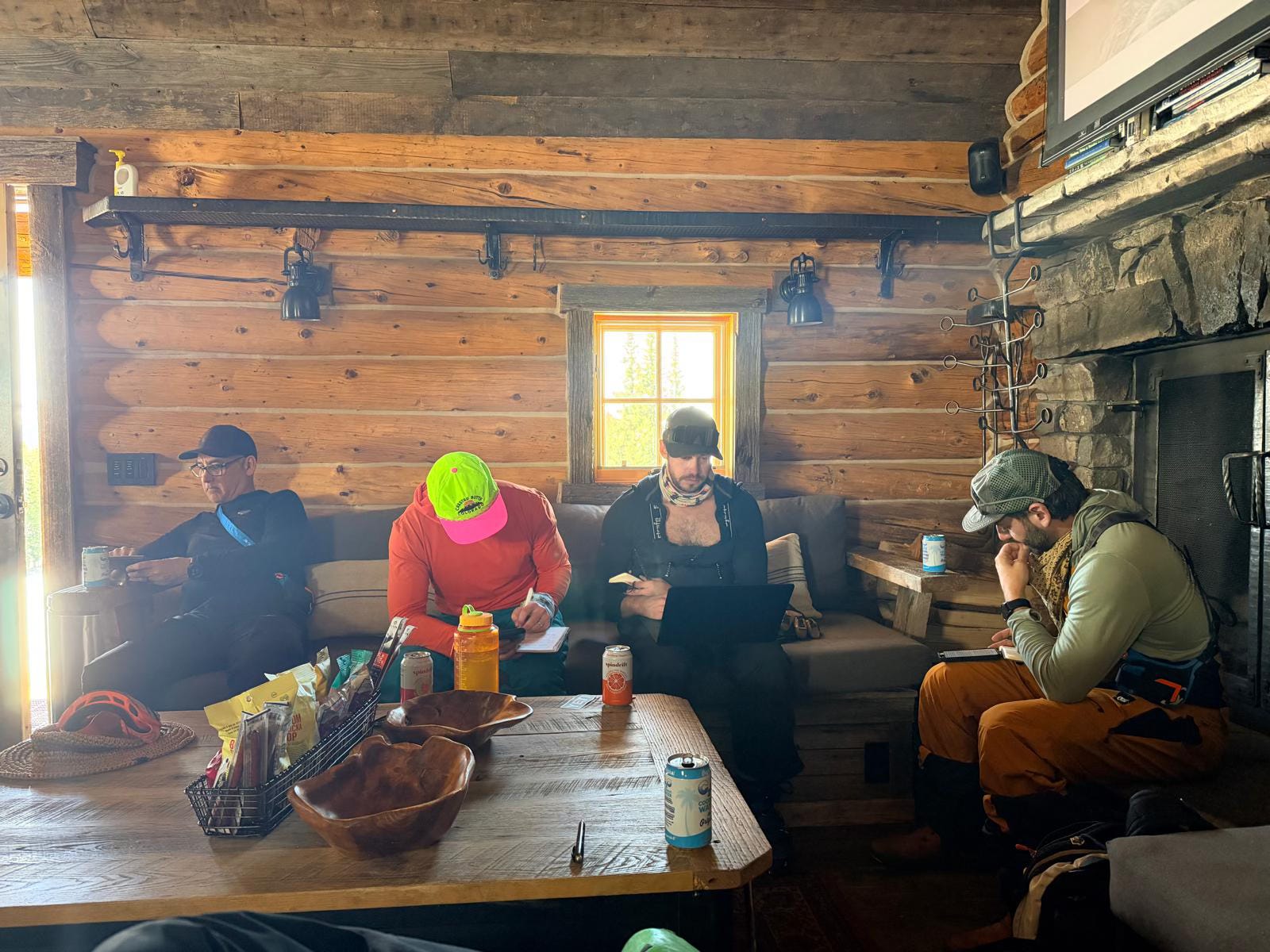
Because in most of life, the feedback doesn’t come like that.
At work, you might get it months later in your annual performance review.
In relationships, it might show up years later, or never fully.
With your kids, maybe you don’t really understand until they’re grown and telling you their version of the story.
Out there, the feedback is immediate.
It’s unscheduled.
And if you ignore it, it escalates quickly.
BALANCE
What became clear over those few days is that adaptability isn’t some abstract skill.
It’s built in moments like that.
Where the trade-offs are real and don’t resolve cleanly.
We were constantly balancing speed and patience, confidence and caution, individual ability and group responsibility, the experience we wanted and the conditions we actually had.
And none of those ever fully go away. They just need constant rebalancing.
The part that stayed with me wasn’t that we made the “right” decision.
It’s that we were able to recognize where the feedback was coming from, and adjust in real time.
Definitely not to perfection. But enough to feel confident in our decision making.
And this shows up everywhere:
In business- it’s seeing where a problem is going to emerge before it actually does.
In relationships- it’s noticing shifts early, before they harden into something harder to unwind.
In anything we’re building- it’s the same underlying thing.
Recognize.
Adapt.
Revitalize.
Most of the time, that happens slowly.
Over weeks, months, years. Sometimes generations.
But out in the wild, it happens in hours, minutes, sometimes seconds.
FLOW
The takeaway from something like this isn’t to go chase the backcountry.
It’s to shorten the distance between action and feedback.
Out there, it’s turn by turn.
You adjust immediately. You don’t wait for a quarterly review to find out you were off.
Back home, that gap is much wider. So the work becomes closing it ourselves.
Putting ourselves in situations where the signal is clearer.
Where we can feel, in real time, whether something is working or not.
Not in a reckless way.
Just enough to require attention.
And then doing what we did out there.
See it.
Adjust.
Talk about it honestly.
Refine.
Again and again.
We didn’t go to Colorado to learn a framework. We went to experience something that’s hard to simulate anywhere else.
A compressed version of reality.
Where awareness, decisions and timing matters more.
Where feedback is immediate…
Gravity doesn’t lie.
And once experienced, even briefly, it changes how you look at everything else.
Work, family, community & all the systems we’re part of.
The backcountry makes it obvious. Back home, not as much.
The gap between information and action gets wider.
And most of the time, we don’t even realize it.
-Rocky
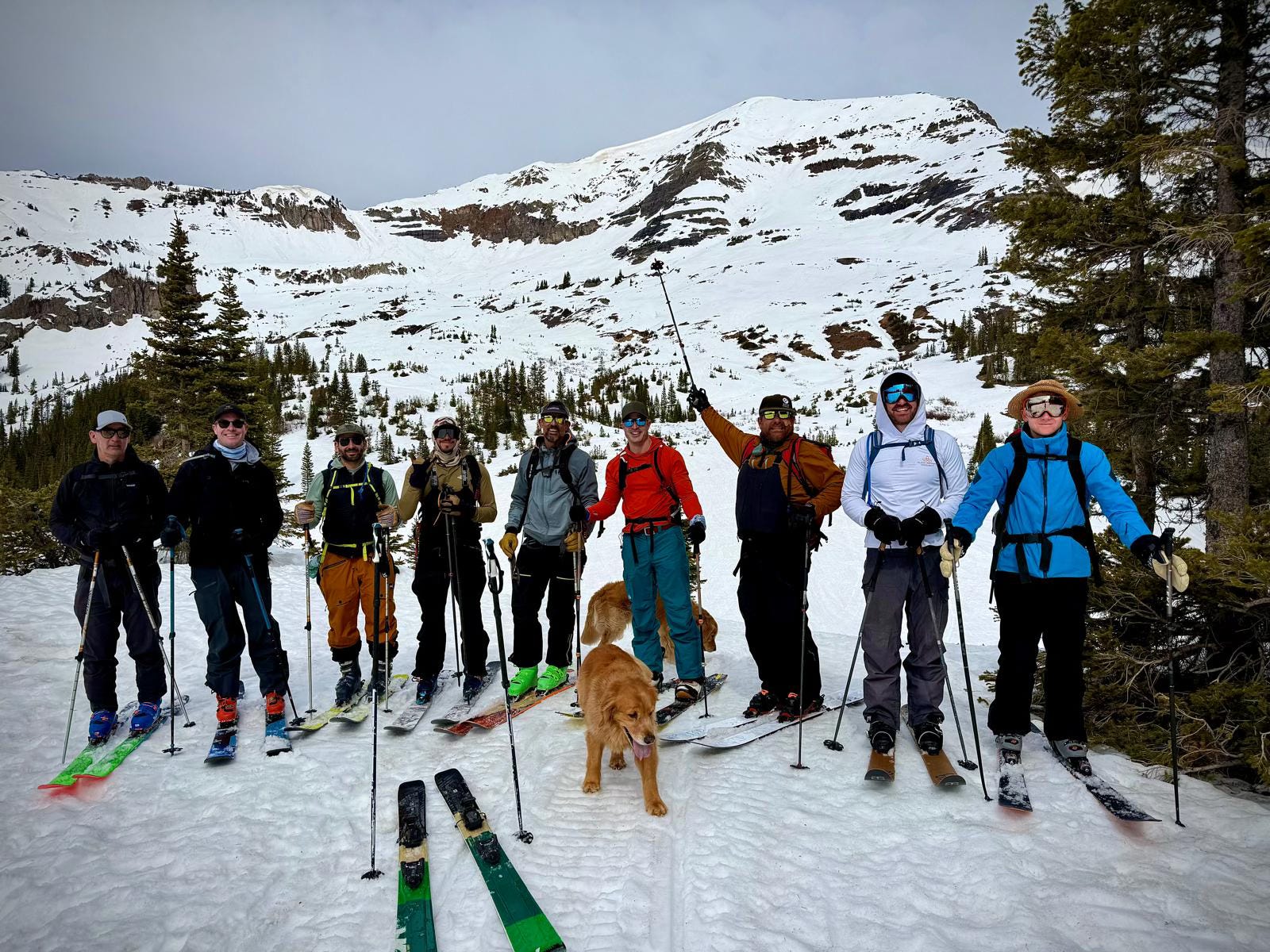
For another perspective, Jamie Wheal shared his take as lead instructor on his Substack—worth a read ⤵️
